REVIEW · BIG ISLAND OF HAWAII
Manta Ray Snorkeling by Night in Kailua-Kona, Hawaii
Book on Viator →Operated by Eka Canoe Adventures · Bookable on Viator
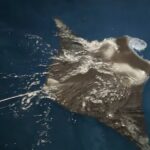
Manta rays at night feel unreal. This Kailua-Kona snorkeling trip on Eka Canoe Adventures gets you out after dark for a chance to see wild manta rays feeding near the surface, using lightboards and a glowing flotation setup to draw in plankton. I especially like the small group size (max 12) and the canoe format, which feels calmer and more personal than the big-boat scene. One consideration: manta rays are wild and not guaranteed, and if you don’t spot one that night, you won’t get a refund, but you can often try again.
I also like that the experience is built around practical safety: you’ll get wetsuit tops and snorkeling gear, and you only need normal swimming ability plus the ability to climb a short ladder unassisted. Guides like Kalala, Kama, and Chris are often cited for being calm and helpful, especially for nerves and motion sickness. The experience runs about an hour, so you’ll want to be ready for a compact schedule once you’re in the water.
In This Review
- Key things I’d book this for
- Night Manta Rays in Kona: what you’re really paying for
- Meeting at Kailua-Kona and getting suited up fast
- The canoe ride: why it’s more than a transfer
- The lightboards and the plankton trick: how the sightings are staged
- Snorkeling at night: what it feels like in the water
- Getting in and out safely (and not rushing yourself)
- Guide style: small group attention, real names, and safety that stays relaxed
- Price and value: is $127.10 a smart buy?
- How long you’ll actually be in the “manta zone”
- Weather, manta ray odds, and the guarantee that replaces refunds
- Who this tour suits best (and who should skip)
- What to bring so the evening goes smoothly
- Should you book Eka Canoe Manta Ray Snorkeling by Night?
- FAQ
- How long is the manta ray snorkeling experience?
- What’s included in the price?
- What’s not included?
- Do I need to be a strong swimmer?
- Are manta rays guaranteed to be seen?
- What is the cancellation policy?
Key things I’d book this for
- Small-group pacing (12 or fewer) that keeps attention on you
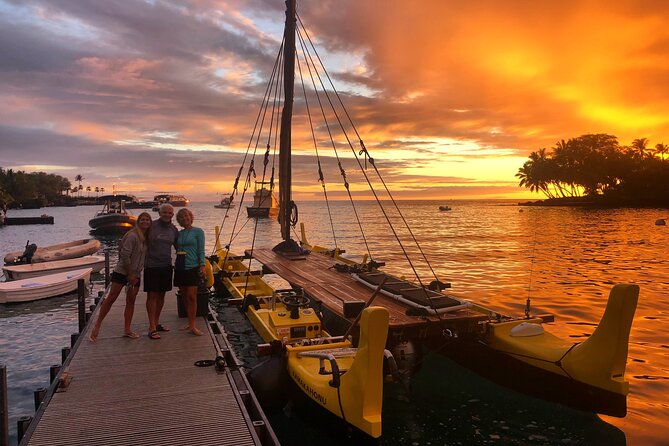
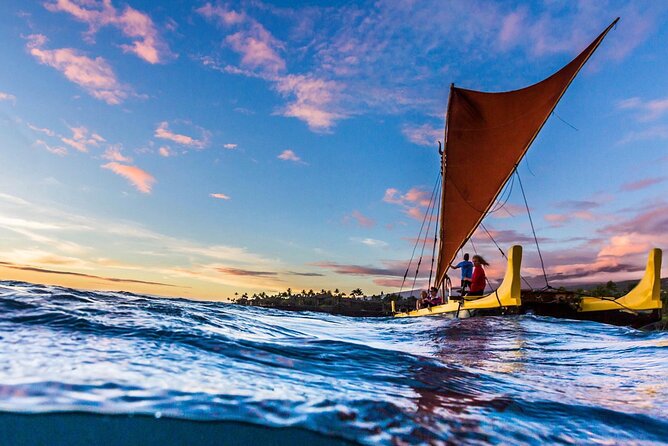
- Canoe ride using a historically accurate double-hulled Hawaiian-style sailing canoe
- Purpose-built lightboards and glowing flotation designed to increase sightings
- Snorkeling time that’s usually substantial once the rays show up
- Real wild-animal odds with a guarantee for a second attempt instead of a refund
Night Manta Rays in Kona: what you’re really paying for
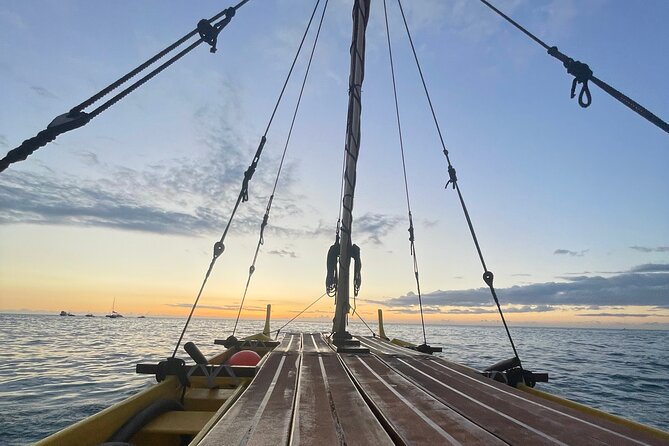
You’re paying for a rare, naturally timed wildlife encounter. Manta rays are active at night, and this tour is built around that simple fact: go when the odds rise, then help the rays find their food by attracting plankton with light.
The second thing you’re paying for is control and comfort. A max group of 12 means you spend less time packed in, less time waiting your turn, and more time watching the water—exactly what you want when the main event is right there.
The canoe matters too. Compared with motor boats, the ride can feel smoother and more human-sized. Plus, the double-hulled design gives the trip a distinctly Hawaiian feel, not just a “transport to the water” experience.
You can also read our reviews of more tours and experiences in Big Island of Hawaii.
Meeting at Kailua-Kona and getting suited up fast
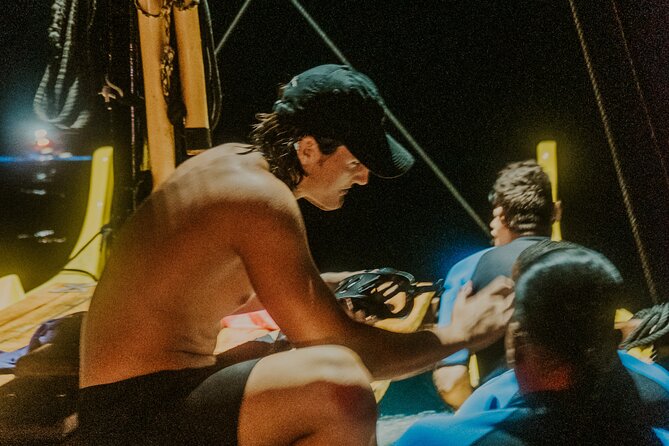
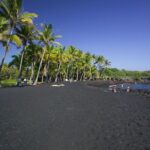
Check-in is at 78-7130 Kaleiopapa St, Kailua-Kona, HI 96740. The location is listed as near public transportation, and if you opt in, you’ll get day-of text updates with pictures to help you find parking and the check-in spot. That’s a small thing, but at night in a busy area, it can save you stress.
Once you meet your group and guides, the flow is straightforward: you’ll put on the wetsuit top for warmth and get your flotation device and snorkel gear. The good part for most people is you don’t need to bring a wetsuit or snorkel equipment—this trip includes it, including snorkeling gear for Rx needs.
Practical heads-up: you must be able to swim and climb a short ladder unassisted. If that’s a problem for you, it will be hard to participate, and the tour notes that mobility/physical restrictions may make it a no-go. Also not recommended after recent surgery.
The canoe ride: why it’s more than a transfer
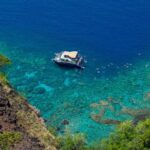
A lot of tours treat the boat ride like a chore. Here, the canoe ride is part of the event: you’ll head out along the Kona Coast and reach the manta ray site with a brief canoe segment first.
That historically accurate double-hulled style isn’t just marketing. It changes the feel of the evening. You’re not fighting engine noise and crowding; you’re in a small setup with a limited group, which helps when you’re already thinking about what the manta rays might do when you’re close.
It also sets expectations. You’ll feel the night turn real once you’re out there—cooler air, darker water, and a quiet focus on what the guides are watching.
The lightboards and the plankton trick: how the sightings are staged
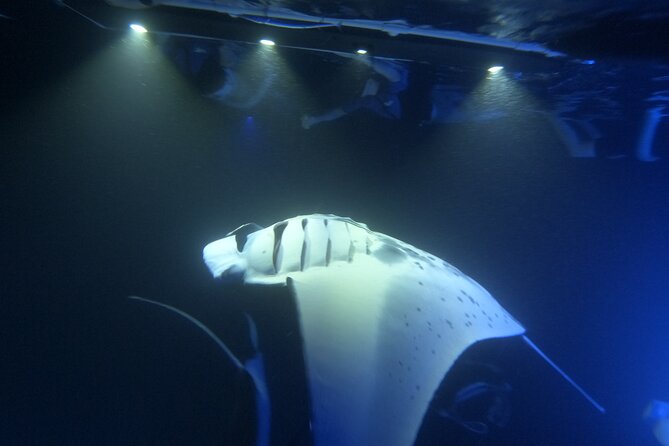
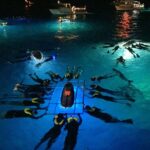
The core “magic” on this tour is the use of lighted flotation and purpose-built lightboards. The goal isn’t to attract manta rays directly; the tour uses light to draw in plankton, which manta rays feed on. When plankton gathers, the chances improve that manta rays cruise into your viewing area.
There’s also a practical detail worth noticing: the lights are designed for results. In the tour team’s own explanation, they use a specific light color they say is more effective than plain white some operators use. You don’t need to understand the physics to benefit from it—you just need to know the equipment is designed for this exact job.
Timing matters too. You go out at night when manta rays are most active, and you’ll be in the water under moonlit conditions. If you’re lucky with the weather and departure time, you may catch a sunset before it turns fully dark—some departures are scheduled early enough for groups to see that shift.
Snorkeling at night: what it feels like in the water
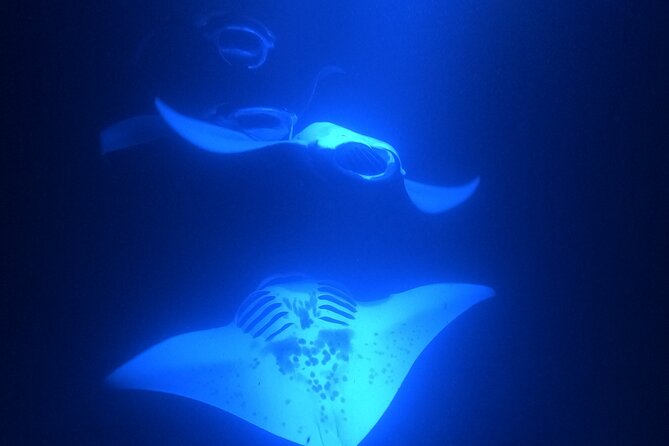
Once it’s time to enter the water, you’ll float and snorkel while manta rays cruise around the illuminated area. The experience is designed so you’re not constantly “chasing” anything—you’re positioned, watching, and letting the rays come to you.
Your main job is to stay calm and relaxed. Night snorkeling changes everything: you see less than in daytime, but when something big moves in the water, your brain picks it up fast. If you focus on steady breathing and staying comfortable on the float, it becomes a lot easier to enjoy the spectacle.
Wetsuit tops help, but don’t ignore the water temperature. One guide is often praised for keeping people comfortable during the session, and the tour supplies the wetsuit top for warmth. Still, plan like it might feel chilly—especially if you’re the type who gets cold easily.
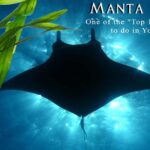
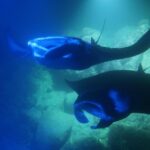
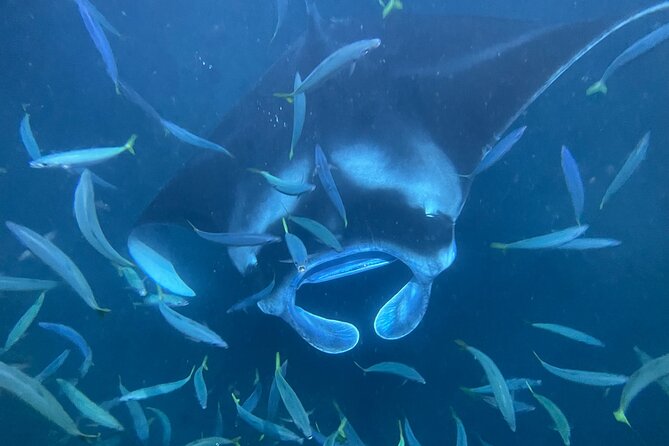
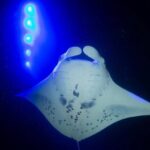
Also know what “close” can mean. Multiple guides and safety-first comments show up for a reason: manta rays can pass near you, and they can be very large. You’re not supposed to touch them (and they’re wild), but your sense of scale will land in a big way when they glide within inches.

Getting in and out safely (and not rushing yourself)
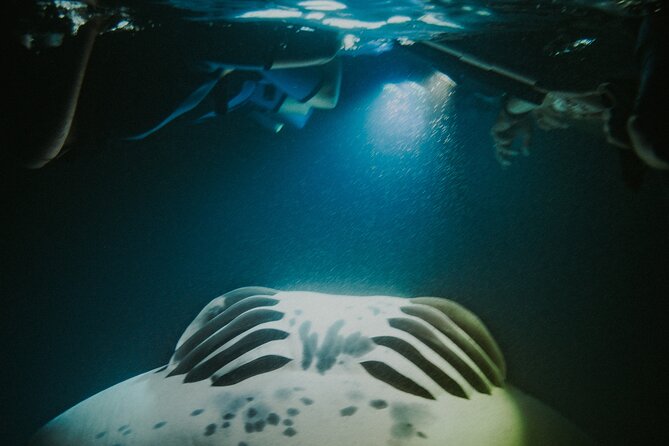
Night tours live or die on how the crew handles boarding and exit. Here, the team’s safety focus shows up repeatedly, with calm instruction and careful loading/unloading steps.
You’ll use the ladder, and that’s the moment most people should take seriously. Go slow. Don’t try to muscle through it in the dark. If you’re steady on your feet and you can climb unassisted, you’ll be fine; if not, this is one part of the night where it’s better to sit out than force it.
In the water, the guides stay attentive and keep the group moving as needed. People often highlight guides like Kalala and others for encouraging nervous swimmers and helping with motion sickness. If you’re prone to nausea, it’s smart to plan ahead, since motion sickness medication isn’t included.
Guide style: small group attention, real names, and safety that stays relaxed
One of the biggest reasons this tour earns high marks is the crew vibe. People cite that the guides are friendly without being chaotic, and that they stay engaged while still letting you enjoy the water.
Specific guide names show up in the positive accounts, including Lance, Chaden, Beck, Tayler, Rob, Kalala, Kama, and Chris. That matters because it suggests consistent teamwork across nights, not a one-off “great guide” moment.
If you’re nervous, the crew’s job is to make it doable. The tour description already tells you that most travelers can participate, but in reality, what makes or breaks it is whether you feel guided step-by-step. The best signs here are calm instructions and quick check-ins.
Price and value: is $127.10 a smart buy?
At $127.10 per person, you’re not just paying for “snorkeling.” You’re paying for a specialized nighttime wildlife operation: a small-group boat/canoe platform, purpose-built lighting gear, trained guides, and included equipment.
What’s included is also fairly key:
- Wetsuit top
- Floatation devices
- Snorkel equipment, including Rx
What’s not included:
- Towels
- Snacks and drinks (coffee/tea not included)
- Private transportation and crew gratuity
- Motion sickness medication
So the “real” value comes down to what you’d otherwise have to rent and how crowded Kona manta ray tours can get. If you’re looking at cheaper options, just compare what you’re not paying for: smaller groups, stronger lighting equipment, and a guide-to-person ratio that helps you stay comfortable and safe.
One note: the single low review you provided complains the experience felt short and the light attractors seemed small, plus time spent chatting. That’s a useful reminder that the manta rays drive the timeline. Once rays show up, you’ll want to be ready to watch instead of expecting a long snorkel-only block.
How long you’ll actually be in the “manta zone”
The tour is listed at about 1 hour, and the crew response you shared also clarifies the operating window and snorkeling reality. They note the tour runs roughly 1 hour and 15 minutes total, and that actual snorkel time is typically 45 minutes or more once you’re set up.
That’s consistent with how these encounters work. You don’t get manta rays on a schedule you control, so the plan balances comfort, safety, and enough time in the water for sightings to happen.
If you’re someone who wants a long, leisurely beach-style snorkel, this is not that. If you want a focused wildlife evening where your effort is mostly watching, it fits the format.
Weather, manta ray odds, and the guarantee that replaces refunds
Here’s the deal with wild manta rays: the tour cannot guarantee sightings. Manta rays are wild, they are not fed or trained, and even if the team does everything right, the rays may take the night off.
The important part is what happens then. The company says that if you don’t spot a manta ray, you’ll use a Manta Ray Guarantee to come back for another attempt on a different evening or future visit, depending on available seats. The trade-off is clear: no manta ray sighting usually means no refund for that night.
Weather also plays a role. The experience requires good conditions, and if it’s canceled for poor weather, you’ll get a different date or a full refund. That’s the scenario where you’re more protected than you’d be with a non-refundable “wildlife only” plan.
Who this tour suits best (and who should skip)
This is a strong fit if you:
- Want a night wildlife experience in Kona rather than daytime snorkeling
- Prefer small-group attention and a calmer feel
- Are comfortable floating and doing a basic snorkel while watching close-up animals
- Value included gear so you can travel lighter
It’s a weaker fit if you:
- Can’t swim or can’t climb the ladder unassisted
- Have mobility/physical restrictions that affect entering/exiting the water
- Are recently post-surgery and have been told to avoid this kind of activity
- Want guaranteed manta rays with no chance of missing them—because this is wild animal viewing
What to bring so the evening goes smoothly
The tour provides the wetsuit top and snorkeling kit, so you mainly need comfort items. The “small extra” people keep mentioning is a towel—bring one (and if you can, a dry one for after). You’ll also want a change of clothes since you’ll likely be damp when you return to shore.
You should also plan for night conditions:
- Wear clothing you don’t mind getting wet
- Have a way to keep personal items secure
- If you’re prone to motion sickness, think about your own plan since medication isn’t included
If you tend to get cold, plan around it even with the wetsuit top. Night water is no joke.
Should you book Eka Canoe Manta Ray Snorkeling by Night?
If manta rays are on your “must-see” list, this is one of the more thoughtful ways to do it in Kona. I like that the format supports close viewing (small group, purpose-built lighting, and a canoe that keeps the group experience personal), and I like that you’re not expected to bring your own snorkel or wetsuit.
The main reason not to book is simple: there’s no guarantee you’ll see manta rays on your specific night, and refunds aren’t offered when they don’t show. If you can handle that risk and are comfortable with the swim-and-ladder requirement, the odds and the experience format make it a very compelling choice.
If you want maximum peace of mind, you’ll do best by booking early enough that you have a flexible evening window in Kona in case you need to use the guarantee.
FAQ
How long is the manta ray snorkeling experience?
The tour is listed at about 1 hour. The operator’s own note also indicates about 1 hour and 15 minutes total, with actual snorkel time typically lasting 45 minutes or more.
What’s included in the price?
Included are a wetsuit top, floatation devices, and snorkel equipment. Snorkel equipment is available for both standard and Rx needs.
What’s not included?
Not included are coffee and/or tea, snacks, towels, private transportation, crew gratuity, and motion sickness medication.
Do I need to be a strong swimmer?
You must be able to swim and climb a short ladder unassisted. The tour says most travelers can participate, but it is not recommended for those with mobility/physical restrictions.
Are manta rays guaranteed to be seen?
No. The tour states manta rays are completely wild and their presence can’t be guaranteed. If manta rays aren’t spotted, refunds aren’t offered, but a guarantee provides another attempt depending on seat availability.
What is the cancellation policy?
You can cancel for free up to 24 hours in advance for a full refund. If you cancel less than 24 hours before the start time, the amount paid is not refunded. The experience also requires good weather, and you’ll be offered another date or a full refund if it’s canceled for poor weather.