REVIEW · BIG ISLAND OF HAWAII
Hawaiian Salt Farm Tour in Kona
Book on Viator →Operated by Kona Sea Salt - The Farm · Bookable on Viator
Salt farms in Kona are weirdly fascinating. This Hawaiian salt farm is the real deal: a seven-acre oceanfront operation where salt is hand harvested from the ocean, then explained step-by-step. I love how I can watch the process unfold in front of me instead of reading about it later, and I love the guided salt tasting at the end, where you get to taste the differences.
The only real drawback to plan around is that the tour can be info-packed, and pacing varies by guide. If someone talks fast, you might need to speak up during questions, and at tasting time the salts can feel a bit hard to tell apart unless you ask what’s what.
In This Review
- Key things to know before you go
- Getting Oriented at Makako Bay: Where the Tour Starts
- The 1-Hour Route: What You’ll See from Water to Salt
- The Real Star: Hand-Harvested Hawaiian Salt from Ocean Water
- Salt Tasting Like a Pro: How to Get the Most from Samples
- Oceanfront Grounds and Shade Planning: Comfort Tips That Actually Help
- Guides Make the Difference: Candee, Mari, and Ipolani in Action
- Where Value Shows Up: Price, Group Size, and What’s Included
- Foot Soak Add-On: Cold Water, Mineral Talk, and Optional Fun
- What to Ask on the Tour (So the Hour Feels Longer)
- Should You Book the Hawaiian Salt Farm Tour in Kona?
- FAQ
- How long is the Hawaiian Salt Farm tour in Kona?
- Where is the meeting point for the tour?
- What language is the tour offered in?
- Is a salt tasting included?
- What happens if the weather is bad?
- Can I get a refund if I cancel?
Key things to know before you go
- Only Hawaiian salt farm in the islands with hand-harvested sea salt from ocean water
- Oceanfront seven-acre grounds make the whole hour feel like more than a workshop
- Salt tasting is part of the tour with multiple salt varieties to sample
- Small group size (max 20) keeps the experience from feeling rushed
- Guides vary, so ask questions early if you want slower explanations
Getting Oriented at Makako Bay: Where the Tour Starts
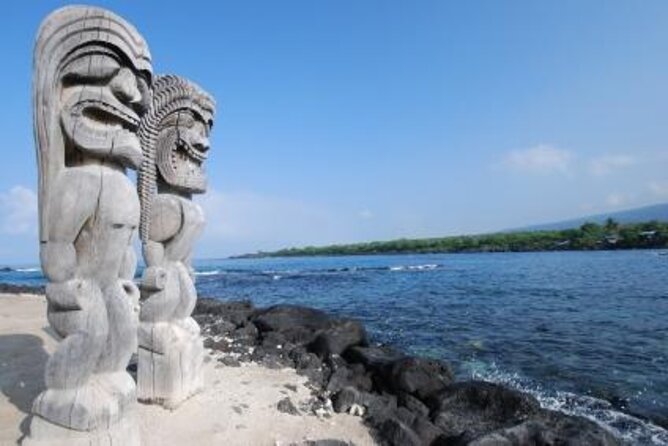
Your tour starts at the company office at 73-907 Makako Bay Dr, Kailua-Kona. You’ll meet the Salt Farm Manager (or a guide from the team) and begin with an overview before you walk out to the harvesting areas.
This isn’t one of those “hop out, hop in” tours where you’re fighting crowds for photos. Instead, you’re in a working environment. That matters because it keeps the explanations practical: they’re talking about real beds, real water sources, and the real final product.
You’ll also be in good company with a maximum of 20 travelers. That size usually means you can hear the guide and ask questions without shouting across the group. The tour is offered in English, and you can use a mobile ticket.
You can also read our reviews of more tours and experiences in Big Island of Hawaii.
The 1-Hour Route: What You’ll See from Water to Salt
The experience runs about one hour total. The guided portion includes what they consider the full story: where the water comes from, where salt is harvested, how it’s made, and what else comes out of their deep-ocean mineral work. Then you finish with a salt tasting.
A lot of tours stop at the “pretty part.” This one goes further. You’re walked through the salt-making sequence, including the places where salt dries and changes form. Even if you don’t care about salt chemistry, you can still follow because the guide points at the stage you’re looking at right now.
Why this pacing works: you’re not waiting until the end to learn what you just saw. You get the explanation as you go. That’s also why the tasting lands better; you understand what you’re tasting instead of treating it like samples from a rack.
The Real Star: Hand-Harvested Hawaiian Salt from Ocean Water
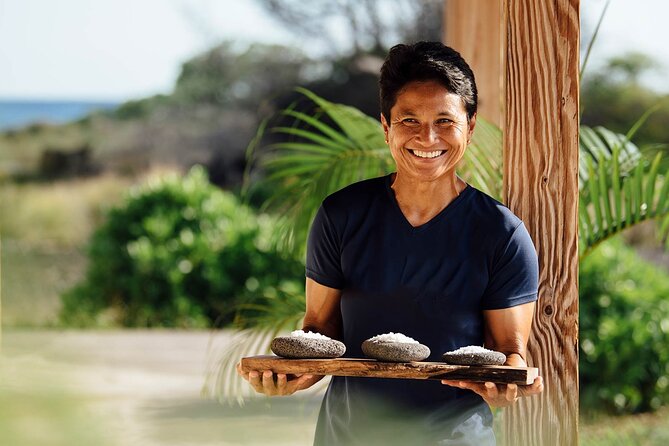
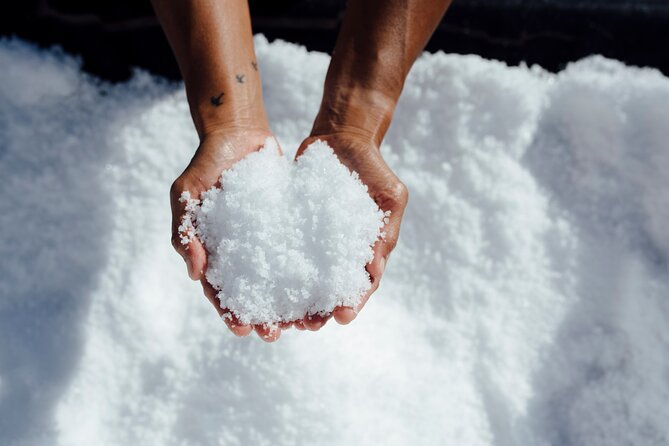
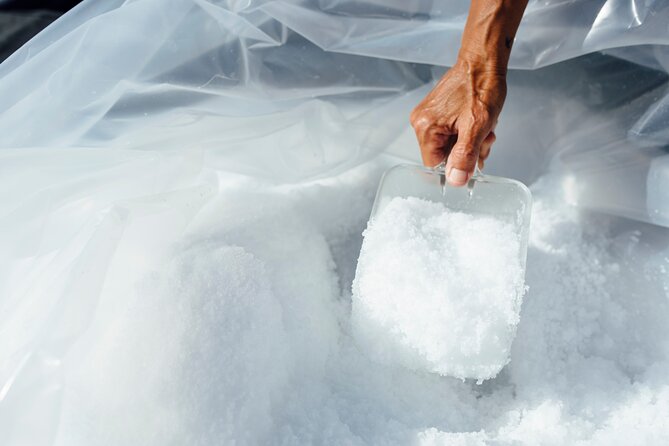
Here’s the heart of the tour: salt is harvested from the ocean, using a process rooted in long-term exposure to sun and time (not industrial speed). The guide explains how the ocean water becomes concentrated, then becomes salt you can harvest.
What I like about this is that it’s not just about salt. It’s about place. The water source and the history of the area get woven into the explanation, so you’re learning how people have used ocean resources around Hawai‘i, not just how a business packages a product.
You’ll also hear about other deep ocean mineral products. The wording on these tours can be broad, but the point is practical: the operation isn’t only selling salt crystals. It’s part of a bigger way of working with ocean minerals, and the guide ties that back to the farm.
Salt Tasting Like a Pro: How to Get the Most from Samples
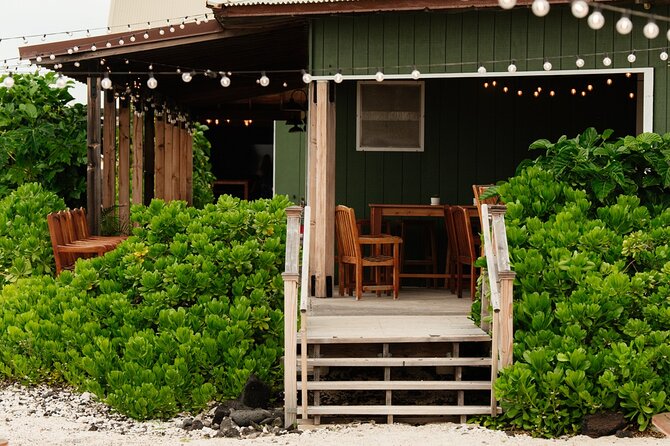
The tour ends with a tasting of different salts. People who love this portion tend to mention two things: the variety and the way it teaches you to notice differences. Some tastings are described as including around 15 different options, which is a lot more than the tiny pinch many people expect.
To get the most, treat it like a guided “compare and contrast.” Start with the salts that seem closest to plain salt, then work toward more flavored or processed varieties. Between each sample, ask the guide what you’re tasting and what makes it different.
One practical note: at least a few folks reported confusion about which samples were specifically from the farm, especially if the guide was moving quickly. My advice is simple—ask early, and ask clearly. Even one question can help you get a cleaner map in your head before the tasting ends.
Oceanfront Grounds and Shade Planning: Comfort Tips That Actually Help
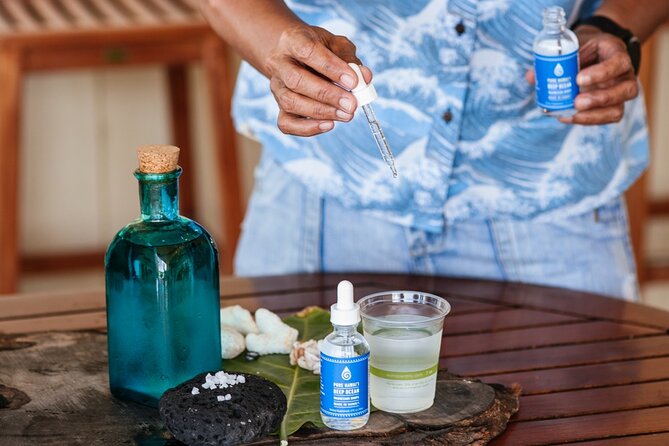
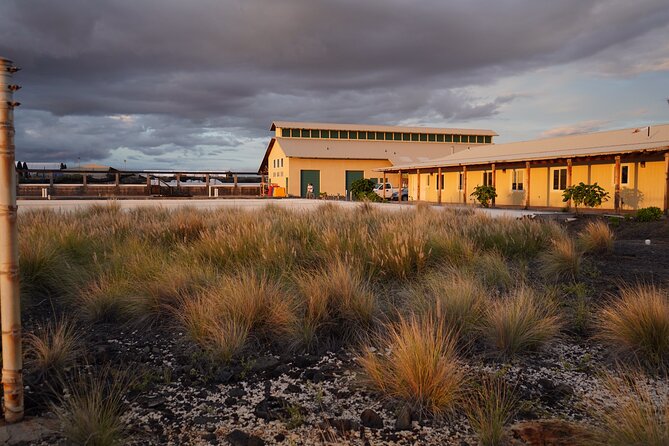
The setting is beautiful oceanfront, so yes, you’ll want photos. But you’ll also be standing and walking outdoors. Bring sunscreen and a hat, and plan for sun exposure, especially if your stop is during peak daylight.
One nice detail: they have umbrellas available to block sun. That small touch matters if you’re sensitive to heat, or if you’re traveling with kids, older relatives, or anyone who tires quickly.
If you’re worried about walking, the tour is generally described as accessible and not strenuous. Still, do what you always do on a working site: wear supportive shoes and keep an eye on your footing near drying areas and paths.

Guides Make the Difference: Candee, Mari, and Ipolani in Action
The tour experience can rise or fall based on the guide’s pacing and how clearly they connect each stage to what you’re seeing. The good news is that this operation has strong guide coverage, and several guide names show up in standout stories.
For example, Candee/Candy is repeatedly praised for explaining both the salt-making steps and the broader history behind the operation. Mari is described as a strong conversational guide who shared not only salt science but also island context, and even a note about a beach-cleanup non-profit effort. Ipolani is noted for keeping things lively while also learning guests’ names and communicating a real environmental focus.
My practical takeaway: if your guide starts moving fast, it doesn’t mean you’re out of luck. You can still get value—just ask questions early, and don’t wait until the tasting if you want context.
Where Value Shows Up: Price, Group Size, and What’s Included
At $27 per person, this isn’t expensive compared with many Big Island tours that feel like a bus ride with a stop. What you’re paying for is a working, taught experience: a guided walk through the process, an explanation of water source and harvesting areas, and a structured tasting at the end.
The small group size (max 20) adds real value. Instead of being an anonymous face in a crowd, you’re in a space where the guide can tailor explanations and field questions more easily.
Also, you’re not just buying a product. You’re learning how it’s made. That turns the salt tasting from a novelty into something you can use later—when you cook, season, or even pick up souvenirs with more confidence.
Foot Soak Add-On: Cold Water, Mineral Talk, and Optional Fun
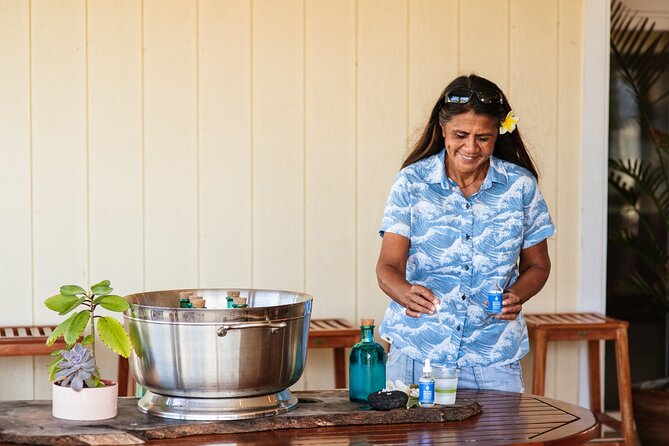
You might see an option for a deep ocean foot soak tied to their operation. People who do it describe the water as extremely cold, but also refreshing and invigorating.
One person mentions being given a jar of magnesium for use with the soak. If you’re the type who likes the full “from ocean to body” story, this can be a great add-on. If you’re heat-sensitive or you dislike cold surprises, skip it and stick to the core salt farm tour.
Either way, don’t count on the add-on being included. Keep it as a “possible extra” you decide on once you’re there and can see what’s offered that day.
What to Ask on the Tour (So the Hour Feels Longer)
You only get about an hour, so ask smarter questions. Here are a few that fit what the guide covers, without going off into fantasy territory.
- Ask what makes one harvested salt stage different from another.
- Ask which salts at tasting are most directly tied to the farm’s process.
- Ask for a simple explanation of the water source and how it supports the harvesting areas.
- If you care about sustainability, ask how the operation thinks about ocean impact and reuse of deep-ocean minerals.
And if you want clarity at tasting time, ask for a quick label or guide for how to tell the samples apart. That one moment can turn a confusing tasting into a memorable, educational finale.
Should You Book the Hawaiian Salt Farm Tour in Kona?
I think this is a strong booking if you want something on the Big Island that isn’t just viewpoints and photo stops. This is practical, hands-on, and tied to a real working operation. If you enjoy learning how everyday products are made and you like food experiences, the salt tasting alone makes the hour feel worth it.
Skip it only if you’re looking for a high-adrenaline outing or if you dislike outdoor walking in sun. Also be aware that pacing can vary—if you need everything slower and spelled out, come prepared with questions and don’t be shy about asking.
If you want one small, meaningful cultural-food stop in Kona that feels different from the usual itinerary, this is the kind of tour that does the job.
FAQ
How long is the Hawaiian Salt Farm tour in Kona?
The tour runs about 1 hour (approx.).
Where is the meeting point for the tour?
The tour starts at 73-907 Makako Bay Dr, Kailua-Kona, HI 96740, USA, and it ends back at the meeting point.
What language is the tour offered in?
The tour is offered in English.
Is a salt tasting included?
Yes. The tour finishes with a salt tasting.
What happens if the weather is bad?
This experience requires good weather. If it’s canceled due to poor weather, you’ll be offered a different date or a full refund.
Can I get a refund if I cancel?
Yes. Free cancellation is available, and you can cancel up to 24 hours in advance for a full refund. If you cancel less than 24 hours before the experience’s start time, you won’t receive a refund.