REVIEW · BIG ISLAND OF HAWAII
Manta Magic: Small-Group Manta Ray Night Snorkel in Kailua Kona
Book on Viator →Operated by Hawaii Oceanic · Bookable on Viator
Night manta rays feel like sci-fi. This small-group manta ray night snorkel from Keauhou Harbor is timed for sunset, then gets you close to the mantas using a glowing light board that brings plankton within reach. I like how the whole experience feels personal and controlled, not chaotic. You also get a real sense of how these animals feed, not just a quick sighting.
Two things I especially appreciate: the snorkel gear (and optional wetsuit) are included, so you can travel light. And the crew setup is built for safety, with a guide in the water to walk you through how to hold the board and what to expect once the mantas arrive. One consideration: this is a true swim experience, and you must be able to swim without flotation help.
If you want a calm, photo-ready, get-me-back-in-10-minutes kind of tour, this might not be your match. But if you want a close-up, night-time manta show in the dark waters off Kona, this is the one that delivers.
In This Review
- Key Things to Know Before You Go
- Keauhou Harbor Sunset Timing: What the One Hour Actually Feels Like
- The Light Board and Plankton: Why the Mantas Get So Close
- Small-Group Comfort and In-Water Safety You Can Feel
- Gear, Comfort, and Camera Tips That Actually Help
- When to Think Twice: Neck Issues, Choppy Water, and Swim Requirements
- Price and Value at About $145: Is It Worth It for Kona?
- Should You Book Manta Magic for Your Kailua Kona Trip?
- FAQ
- How long is the Manta Magic night snorkel?
- Where does the tour start and end?
- Is snorkeling required?
- What’s included in the price?
- Do I need to be a strong swimmer?
- What is the maximum weight limit?
- Is it safe if I have neck problems?
- Is there free cancellation?
Key Things to Know Before You Go
- Keauhou Harbor sunset timing: you board in Kona and head out so you’re at the site around dusk.
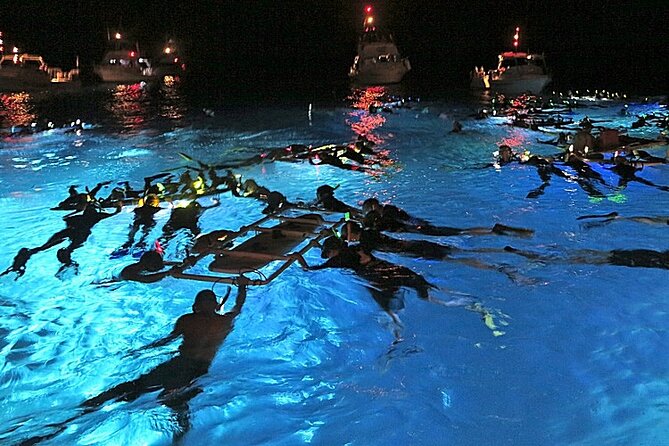
- Light board + plankton: the glowing board attracts plankton, which pulls mantas in to feed just below you.
- Snorkeling is optional: you can stay onboard for sunset if you’d rather not enter the water.
- Small group max (11 travelers): fewer people means less crowding and more hands-on attention.
- Certified swim guide stays close: you’re not left to figure it out on your own.
- Manta sightings aren’t guaranteed: they’re wild animals and show up on their own schedule.
Keauhou Harbor Sunset Timing: What the One Hour Actually Feels Like
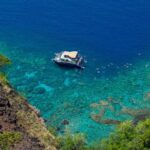
This tour is built around a simple idea: manta rays are easier to spot when conditions are right at night, and dusk helps. You meet at 78-7130 Kaleiopapa St, Kailua-Kona, then board at Keauhou Harbor. The boat ride to the manta area is short, and that matters because it reduces the “sit around and worry” time that can make you tense up before you even get in the water.
Expect the whole outing to be about one hour total, with a meaningful chunk of time actually spent at the site. Based on how other departures are described, you’ll likely have around 30 minutes in the water, though the exact flow can vary with conditions. A lot of people also notice the transition is quick: you gear up, get instructions, and you’re ready to hold the light board without a long, drawn-out process.
If you’re sensitive to motion, plan smart anyway. Some groups report choppier water, which can make the boat ride feel less gentle than the photos online. If that’s you, I’d treat this like a real water outing, not a casual beach activity—think hydration, calm breathing, and bringing motion-sickness help if you use it.
You can also read our reviews of more tours and experiences in Big Island of Hawaii.
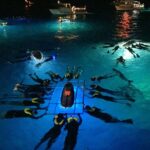
The Light Board and Plankton: Why the Mantas Get So Close
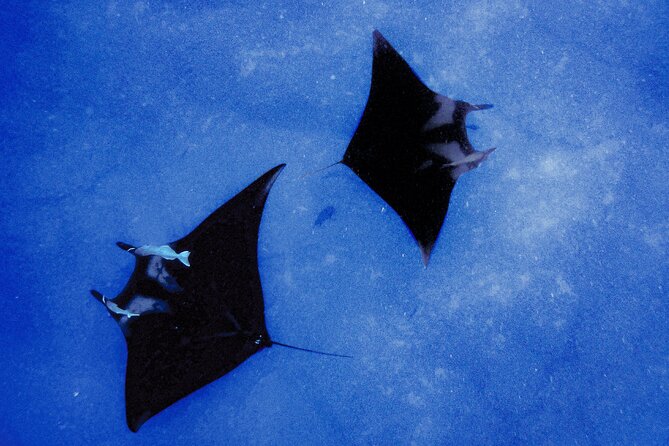
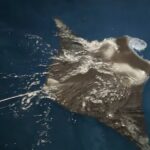
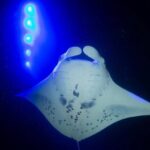
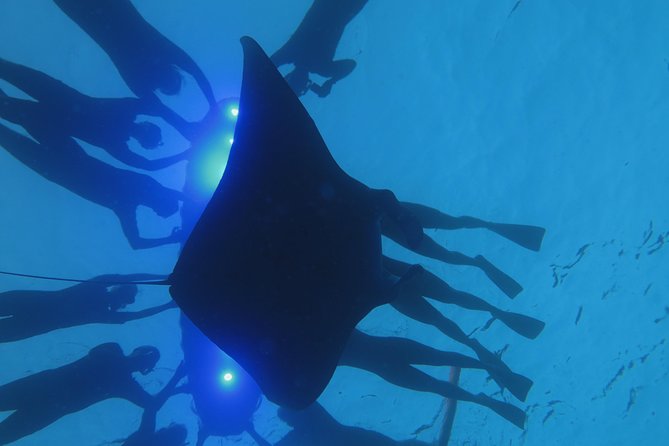
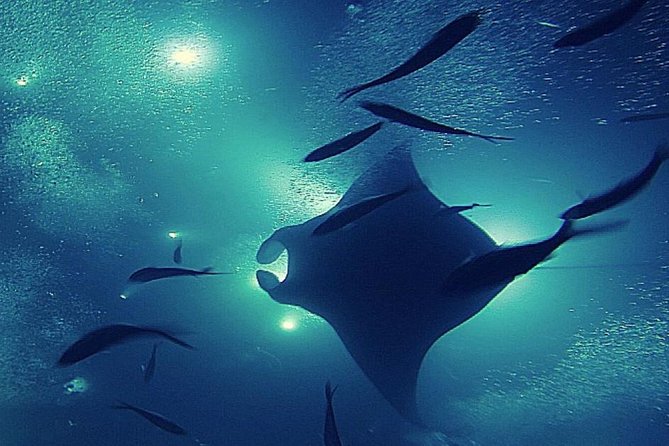
Here’s the core magic trick: you hold onto a modified light board that glows to attract plankton. The mantas come to feed, which pulls them into your snorkel zone. It’s not a “trick” so much as an elegant way to concentrate the manta’s natural behavior into a viewing window.
You’ll get a short introduction to how these feeding sessions work as you head out. It helps, because once the lights go on and you see the water alive, it’s easier to understand what you’re watching. Then snorkeling starts (or not, if you stay onboard). If you do snorkel, you’ll position yourself holding the board while mantas swoop in and glide below the surface.
From the guide side, you should expect lots of explanation once you’re there—people specifically mention crew members sharing manta facts while you’re in the water. Names that show up in past groups include guides such as Sarah, Lexy, Sara, Molly, and Eric, along with captains like Jason and Justin. Since crews can vary, don’t assume the exact person—just know you’re likely to get a mix of ocean safety guidance plus real manta talk while you watch.
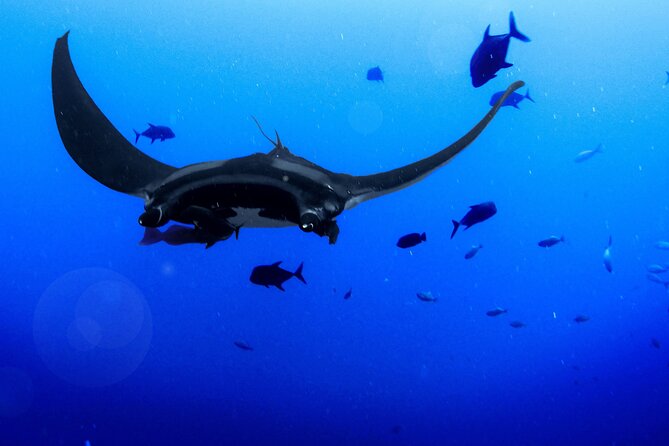
One more truth worth respecting: this isn’t a zoo feeding schedule. Even when conditions are perfect, mantas may show up in different numbers and patterns. Many departures describe multiple mantas close by, including large counts, but you should still go with the right mindset: you’re paying for a strong chance at an iconic night scene, not a guaranteed headcount.
Small-Group Comfort and In-Water Safety You Can Feel
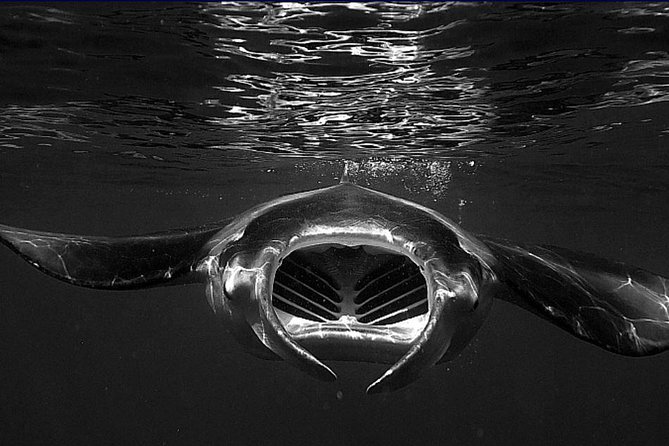
The biggest practical advantage here is the size. The tour caps at 11 travelers, which changes the vibe fast. With fewer people, there’s less jostling in gear handoff and less crowding when you’re holding the light board. It also tends to make instructions easier to follow because the guide can actually see what each person is doing.
A certified swim guide stays with you during the water time, which is exactly what you want when you’re snorkeling at night. Their job isn’t just to point out mantas; it’s to help keep your form steady and your experience smooth. People often describe feeling safe and well cared for, and that lines up with how the tour is designed.
You should also know the rules that keep it working:
- You need to be able to swim without flotation assistance.
- You’re likely to be holding position at the board for part of the time, so basic comfort in the water is important.
- The guide pacing matters. Some groups mention the tour can move quickly through steps so people get in the water sooner and avoid getting tossed around on the boat longer than necessary.
If you’re the type who likes clear, direct coaching when you’re in moving water, you’ll probably appreciate how this is run. And if you’re hoping for a high-luxury, lots-of-staff-to-coddle-you setup, keep expectations grounded: it’s small-group and focused, not a floating resort.
Gear, Comfort, and Camera Tips That Actually Help
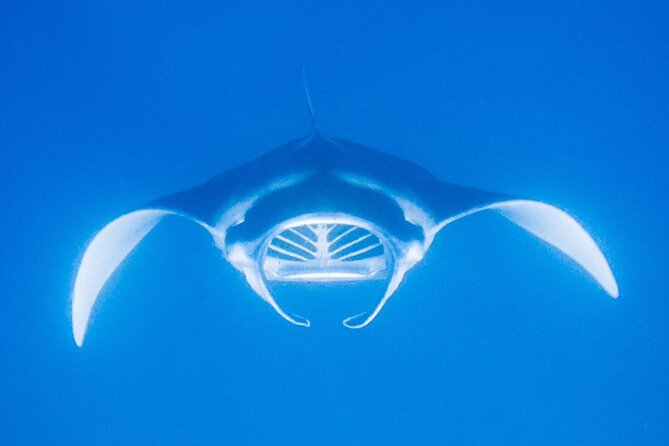
Good news: snorkel equipment and beverages are included. You won’t spend your vacation time hunting for masks. You’ll also have an optional wetsuit provided, which most people find helpful for comfort in cooler night water.
Now the reality check: a couple reviews point out that what’s offered may be more like a wetsuit top/jacket rather than a full suit. That can be totally fine for warm Kona nights, but if you run cold, plan accordingly. If you’re coming from places where ocean water feels sharp, you may want to think about extra comfort layers or consider whether your own wetsuit makes sense for you.
In terms of photo and video, night snorkeling is where planning pays off:
- Bring a GoPro style camera if you have one. People specifically recommend attaching it to your wrist or chest.
- Use a waterproof case for your phone. It’s a simple item, but it can be the difference between getting usable images and losing your phone to salt water.
Also, if you get motion sickness easily, it’s worth prepping. One review directly suggests Dramamine or similar help, and that’s a practical takeaway even if your water conditions feel fine on the day you go. The boat ride can be short, but it can still feel bouncy.
When to Think Twice: Neck Issues, Choppy Water, and Swim Requirements
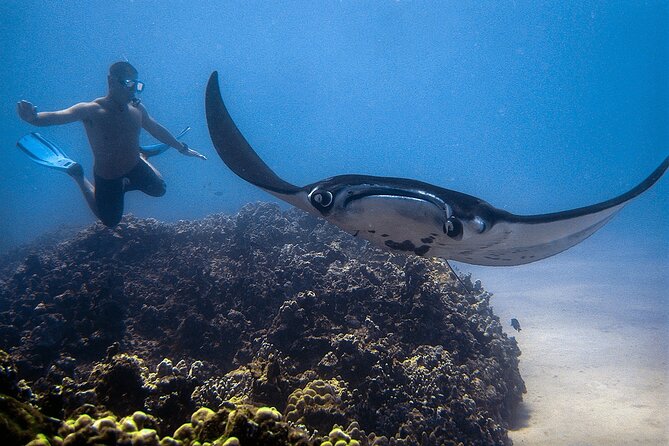
This tour is labeled for people with moderate physical fitness, and you do need to be a capable swimmer. That’s not a casual checkbox. You’re in the water holding onto a board while night conditions and motion affect your balance. If you rely on flotation devices, this likely isn’t the match.
It’s also not recommended for travelers with neck problems. The exact reason isn’t expanded in the info you have, but the practical logic is straightforward: night snorkeling positions, turning your head to breathe, and staying aware in moving water can put strain on your neck.
Choppy water is another factor that can change comfort fast. Some groups describe waves and a rocking boat. Others report a smooth experience. If you’re prone to feeling uneasy on open water, I’d treat this as an ocean activity with real conditions, not a shallow, controlled dock-to-dock swim.
Finally, remember the animal factor. Even on the best night, mantas may not show the same way every trip. Many people describe many mantas and very close passes, but don’t plan your whole trip around one single number like 10 or 15. Plan around the experience: being in the water during a feeding moment is the point.


Price and Value at About $145: Is It Worth It for Kona?
At $145 per person, this isn’t the cheapest way to see manta rays. So the question isn’t whether it’s expensive. The question is whether it delivers value for the specific kind of experience you want.
Here’s why it can feel worth it:
- Small-group size means you’re not packed in like a bus full of snorkelers.
- Gear is included, including the stuff you’d otherwise have to rent or buy.
- You get a guide in the water, plus a simple method (the light board) that brings mantas into view by encouraging feeding behavior.
- Many people report very close, very active manta behavior—often described as mantas circling and passing close to the board.
On the flip side, some complaints focus on comfort and service details. A couple people mention differences in wetsuit coverage and issues with assistance onboard during rougher conditions. Those are legitimate considerations when the price is at the higher end. It also means you should read the tour like a buyer, not a dreamer: this is an animal-focused swim. It’s not built to be a full-service, staff-won’t-let-you-do-anything kind of outing.
If you want the manta moments more than the frills, you’ll likely feel like you got your money’s worth. If you want a very cushy, highly staffed experience, you might feel underwhelmed—even if the mantas show up beautifully.
Should You Book Manta Magic for Your Kailua Kona Trip?
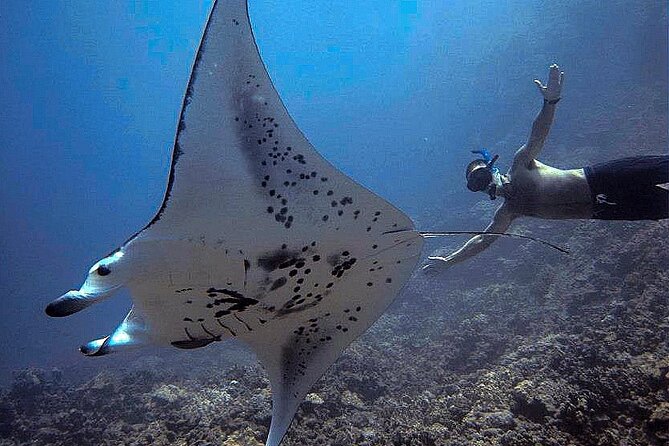
I think you should book this if you want a night manta ray experience with a small group, included snorkel gear, and a setup that genuinely helps you see mantas feeding close by. It’s especially appealing if you’re comfortable swimming, you don’t have neck issues, and you can handle night water conditions with basic confidence.
Skip it if you:
- can’t swim without flotation support,
- have neck problems,
- expect a super-comfortable, slow-moving experience with lots of onboard assistance at every step,
- or need a guaranteed manta count.
If you’re a “go see it in real life” person, this tour makes sense. Night snorkeling with mantas is one of those Big Island moments that stays vivid long after you’ve left the beach.
FAQ
How long is the Manta Magic night snorkel?
The experience lasts about 1 hour.
Where does the tour start and end?
You meet at 78-7130 Kaleiopapa St, Kailua-Kona, HI 96740, and the activity ends back at the meeting point.
Is snorkeling required?
No. Snorkeling is optional. If you don’t want to get in the water, you can stay onboard and enjoy the sunset.
What’s included in the price?
The tour includes a professional guide, snorkeling equipment, beverages, local taxes, and an optional wetsuit. You also get the equipment needed for the light board style setup.
Do I need to be a strong swimmer?
Yes. You must be able to swim without the assistance of a floatation device.
What is the maximum weight limit?
The maximum weight is 280 pounds per traveler.
Is it safe if I have neck problems?
It’s not recommended for travelers with neck problems.
Is there free cancellation?
Yes. You can cancel for a full refund up to 24 hours before the experience start time. Changes less than 24 hours before the start aren’t accepted, and refunds aren’t offered within 24 hours.