REVIEW · BIG ISLAND OF HAWAII
Snorkel with Manta Rays Guaranteed
Book on Viator →Operated by Sea Paradise · Bookable on Viator
A manta-ray night can feel like science class, in the best way. This tour uses a lit flotation device so manta rays feed close to you, with a sunset sail and expert support built in. I love that it’s set up for real people (not hardcore swimmers) and that the crew keeps the experience focused on safety and manta care.
Two things I especially like are the short, comfortable ride from Keauhou Bay and the hands-on way the guides run the water. You’ll get wetsuits, snorkel masks, and a guided method for holding the float while plankton gathers under the attached light.
One consideration: you’re not free-swimming like in a movie. You hold onto the floating platform the whole time, which can be tiring for arms and shoulders, and choppy water can make some people sea sick.
In This Review
- Key takeaways before you go
- Why the lit flotation setup makes this feel different
- Hokulani, Keauhou Bay, and getting to the action fast
- Sunset sail to Manta Ray Village: the calm intro before the water
- Safety briefing rules that protect you and the mantas
- The 45-minute snorkel: plankton light, steady holding, close views
- What you might see: “inches” instead of yards
- Choppy water, sea sickness, and how to handle it
- Who this works best for (and who should reconsider)
- Gear and comfort details that make a difference
- Value: what $141.57 buys you on Big Island
- Practical booking timing: when you should plan ahead
- Should you book this Sea Paradise manta ray tour?
- FAQ
- How long is the tour, and how much time is spent snorkeling?
- Where does the tour start, and does it end back at the same place?
- What snorkeling gear is included?
- Are full-face snorkel masks allowed?
- What is the lit flotation device, and why does it matter?
- Is the tour suitable for beginners?
- What happens if the weather is bad?
Key takeaways before you go
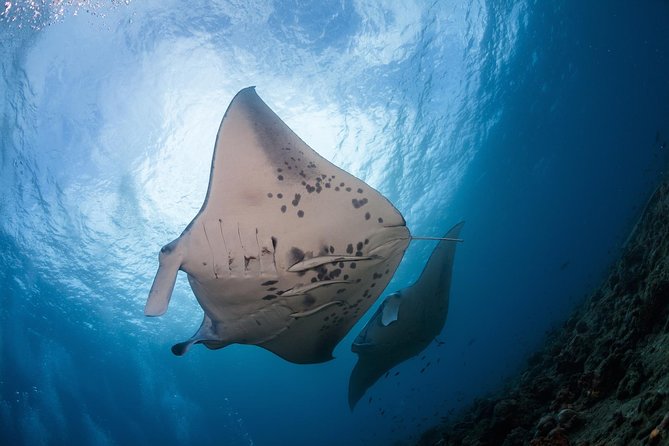
- Lit “manta floatation device”: the light attracts plankton, which brings the rays in close
- Sunset cruise on the Hokulani trimaran with drinks and snacks onboard
- Expert safety briefing before you get in the water, plus close guidance during the snorkel
- Snorkel time is about 45 minutes (and total tour time is about 1.5 hours)
- Wetsuits, masks, and snorkels provided; fins aren’t needed
- No full-face masks due to safety rules
Why the lit flotation setup makes this feel different
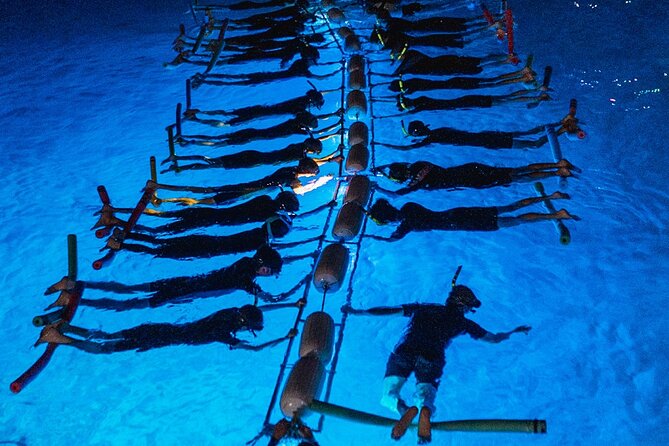
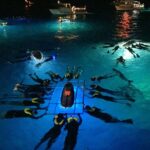
Most manta snorkeling tours depend on luck. This one is designed to create conditions mantas naturally respond to: at night, plankton rises closer to the surface, and the attached light on the float draws it in. As the plankton gathers, manta rays come by to feed, so you’re positioned where the action happens.
The “manta flotation device” is a key part of the magic. Instead of forcing you to chase movement, it gives you a stable way to stay at the water’s surface while you watch manta rays beneath you. If you’re a first-time snorkeler, that steady setup matters because it keeps your attention on the viewing, not on survival swimming.
And yes, the manta-rental-ballet effect is real. When mantas feed near the light, they can swim close enough that it feels personal. I’d still manage expectations: you’re observing wild animals, so sightings can vary night to night.
You can also read our reviews of more tours and experiences in Big Island of Hawaii.
Hokulani, Keauhou Bay, and getting to the action fast
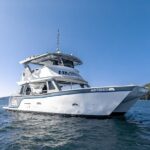
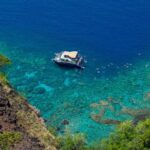
Your meeting point is Keauhou Bay in the Kahaluu-Keauhou area of the Big Island, and the tour ends back there. The big practical win is how efficiently the day flows. You board the Hokulani, a trimaran set up for comfort, and the snorkel spot is close enough that you’re not stuck on a long dark boat ride.
That matters for two groups: people who get seasick easily and people who just want their time in the water sooner. The tour is about 1.5 hours total, with roughly 45 minutes snorkeling. So you’re not spending most of the night just commuting.
The boat also checks a comfort box: there’s onboard space and a bathroom, which is rare for small, late-night ocean tours. A bigger boat plus a short transfer can make the whole experience feel more manageable, especially with kids or anyone not thrilled by choppy water.
Sunset sail to Manta Ray Village: the calm intro before the water
You start with a sunset cruise on the Hokulani, heading to a place called Manta Ray Village. It’s not just a pretty lead-in. This portion helps you settle in: you get drinks and snacks on board, you watch the horizon while the crew gets you ready, and you’ll usually arrive at the snorkeling area before you feel rushed.
Night snorkeling is exciting, but it can also be intimidating. Having that warm-up phase helps you shift from planning mode to observation mode. You can also spot what conditions are like before gear goes on, which is useful if you’re deciding how you’ll handle waves once you’re in the water.
If the ocean is rough, the sail still gives you something important: it’s your first cue that the crew will be hands-on when you get into the water. You’ll feel that when you hear the rules and see how the guides manage the group.
Safety briefing rules that protect you and the mantas
Once you reach the snorkeling area, the crew gives a professional briefing and then brings you into the water workflow step by step. This tour is very clear about priorities: safety comes first, and manta rays should never be touched.
You’ll wear wetsuits, plus a mask and snorkel. The tour provides the gear, and it’s designed so you can float and breathe comfortably without needing advanced technique. That matters because night water plus open ocean conditions can overwhelm beginners fast.
There’s also a specific mask rule: due to safety concerns, full-face masks aren’t allowed. If you were planning on using one, plan to borrow or use a standard snorkel mask instead.
One more subtle but important protection: the crew guides how your fins and feet interact with the setup. Even though fins aren’t needed, they still manage equipment so nothing accidentally harms the mantas. This is a huge part of why this tour tends to feel respectful rather than chaotic.
The 45-minute snorkel: plankton light, steady holding, close views
Here’s how the snorkel portion typically plays out. After the briefing, staff guides you onto the lit floatation platforms. Then you float at the surface while manta rays feed below. The light attached to the float draws plankton closer, and when mantas arrive, you see them as they swim through the feeding zone.
Snorkel time is about 45 minutes, and that’s long enough to do more than just a quick sighting. The viewing often builds—first you notice movement, then mantas start cruising in and out, and sometimes they group closer around the feeding area.
You should also know what you’re doing physically. You’ll be holding onto the floating structure while you watch. That means you’re not doing long underwater swims. It’s more like controlled floating with constant observation, which is great for many people and a dealbreaker for a few.
If you’re expecting effortless comfort, I’d be honest with yourself about shoulders and grip strength. Reviews and operator behavior point to this being a common factor. Holding on can feel like a workout by the end, especially if you grip tightly. If you have shoulder issues, you might want to sit this one out or ask the crew what modifications are possible.


What you might see: “inches” instead of yards
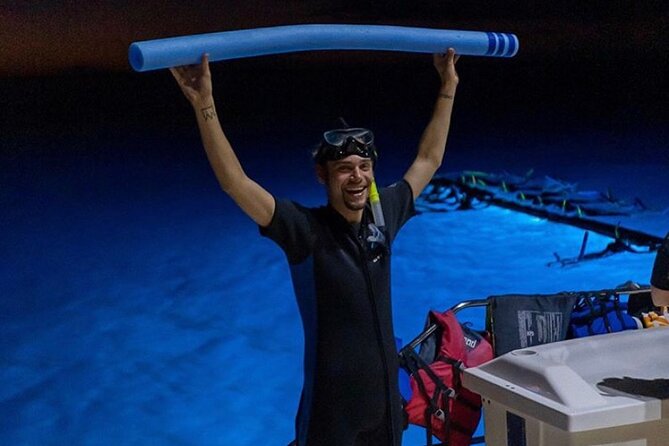
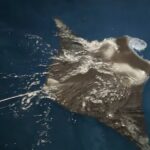
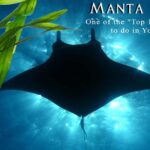
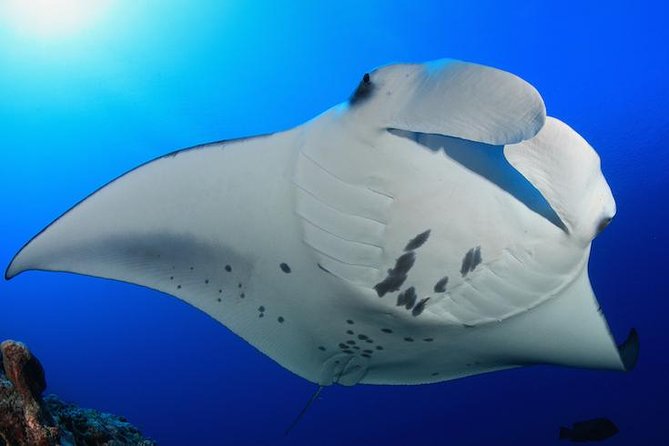
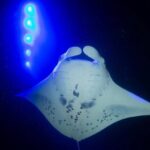
The reason this tour is famous is simple: mantas can get extremely close. People describe manta rays passing within inches at times, and the feeling is face-to-face rather than “look at them from far away.”
Sightings can vary, but the pattern is consistent: once mantas show up at the light, you may see multiple rays. Some nights bring just a few; other nights can bring a lot more than expected. You can also see different manta behaviors like smooth cruising and playful rolls. There’s even a chance of more unusual interaction, like a manta coming by in a way that feels extra noticeable from very close range.
Also, don’t ignore the emotional factor. Seeing a manta ray at night is different from daytime snorkeling. The darkness makes the light and movement stand out, and you often get a sense of scale that surprises you. They are big animals, and when they slide under you, the experience can feel both magical and slightly surreal.
Choppy water, sea sickness, and how to handle it
Night ocean conditions can change fast. On some evenings the water is choppier than average, and that affects comfort on the boat and while you’re holding the float.
If you’re prone to seasickness, this tour has a real advantage: the snorkel spot is close, so you’re not sitting in dark waves for a long time. Still, you should plan for possible rough patches. Wear or bring what helps you (rest, hydration, and anything your doctor has advised). Also, keep your expectations realistic: if you’re already feeling queasy, tell the crew early.
Choppy conditions also affect how tiring the floating position feels. With waves, your body may move more, and holding on can require more effort. If you start to feel overwhelmed, you should be able to take breaks as needed because the crew runs the session with frequent check-ins.
Who this works best for (and who should reconsider)
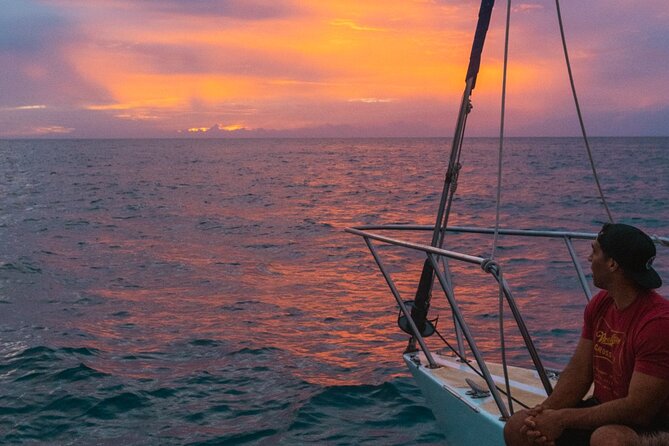
This tour tends to fit a wide range of visitors because it’s structured around equipment and guidance, not advanced snorkeling skill. People who are new to snorkeling often find the briefing and stable holding system reassuring.
It’s a good choice for:
- Couples who want a memorable night activity without technical swimming
- Families with older kids who can follow instructions and stay patient in the water
- Anyone who wants close mantas without a long, exhausting swim
It might be less ideal if:
- You have serious shoulder problems, since you’ll be holding onto the float for the duration
- You’re very sensitive to motion or expect strong seasickness
- You want a fully free-swimming experience rather than a guided floating setup
Also, the physical fitness requirement is listed as moderate. That usually means you can get into and out of the water, tolerate cold saltwater for a bit, and stay steady while holding on.
Gear and comfort details that make a difference
The tour provides wetsuits, masks, and snorkels, and it notes that fins aren’t needed. The wetsuit helps with the cold—night water can feel chilly even if the day was warm.
A few practical notes:
- If you run cold, plan for it. Wetsuits help, but you still shouldn’t underestimate evening temperatures.
- If you’re bringing a camera or phone, think about stabilization. One-handed filming can be tricky when the ocean is moving.
- Your biggest “gear” is your mindset: you’ll do better if you focus on floating and watching rather than swimming hard.
Some people also mention extra snacks and drinks onboard. If you’re prone to feeling low energy in the evening, that little onboard boost helps you arrive at the water session calmer and ready.
Value: what $141.57 buys you on Big Island
At $141.57 per person, you’re paying for more than a boat ride. Here’s the value equation as I see it:
You’re getting:
- A sunset cruise experience on the Hokulani with drinks and snacks
- Gear included (wetsuit, mask, snorkel)
- Expert briefing and hands-on guidance
- A specialized setup (the lit flotation device) that directly supports the manta-feeding viewing
- About 45 minutes in the water, not a quick stop
Group size is capped at 49 travelers, which tends to keep the operation organized. When the crew can manage the group well, you spend more time watching and less time waiting.
There’s also an important marketing promise in the tour name: it’s sold as a manta-rays-guaranteed experience. You can’t assume every night will produce the exact same number of rays, but the company’s intent is clear: they’re building an operation around consistent opportunities, not just dropping you into open water and hoping.
Practical booking timing: when you should plan ahead
This tour is typically booked around 38 days in advance on average. That’s a useful clue. If you’re traveling in busy seasons or during short stays on the Kona side, you’ll want to reserve early so you’re not stuck with whatever time slot remains.
You’ll receive confirmation within 48 hours of booking, based on availability, and the tour uses a mobile ticket. So once you’ve booked, keep an eye on your email and app so you don’t arrive guessing.
Should you book this Sea Paradise manta ray tour?
If your goal is a close, night-time encounter with manta rays in a guided, structured way, I think this is one of the more sensible picks on the Big Island. The lit float approach directly supports the experience, and the crew emphasis on safety and manta care makes the whole outing feel less like a stunt and more like respectful wildlife viewing.
I’d book it if you want:
- A guided snorkel that doesn’t require fitness heroics
- Close-up manta viewing with a stable setup
- A night plan that feels short and efficient, not endless
I’d pause if:
- You hate any activity where you must hold position continuously
- You’re extremely seasick-prone and can’t tolerate ocean movement
- Full-face mask use is a must for you
Bottom line: if you’re okay holding on, staying warm, and following the crew’s rules, you’re set up for one of the most memorable nights on the Kona side.
FAQ
How long is the tour, and how much time is spent snorkeling?
The tour runs about 1 hour 30 minutes total, with snorkeling time of approximately 45 minutes.
Where does the tour start, and does it end back at the same place?
It starts at Keauhou Bay, Kahaluu-Keauhou, HI 96740, and it ends back at the meeting point.
What snorkeling gear is included?
The tour includes wetsuits, masks, and snorkels. Fins are not needed. You’ll also have filtered water onboard.
Are full-face snorkel masks allowed?
No. Due to safety concerns, full-face masks are not allowed on these tours.
What is the lit flotation device, and why does it matter?
It’s a specialized flotation setup with a light attached. Plankton rises at night and is attracted to the light source, which brings manta rays closer for feeding and viewing.
Is the tour suitable for beginners?
It’s described as having an expert-led briefing and guided instruction in the water, and it’s used by people who have not snorkeled before. You should still have a moderate physical fitness level.
What happens if the weather is bad?
The experience requires good weather. If it’s canceled due to poor weather, you’ll be offered a different date or a full refund.